She Turned the Furnace Down to 58. Then the Power Company Sent Someone to Check on Her.
Her electric use fell 60 percent in a single month. The reason is a 2.7 pound heater on her kitchen wall, and a simple idea: heat the room you are in, not six empty ones.
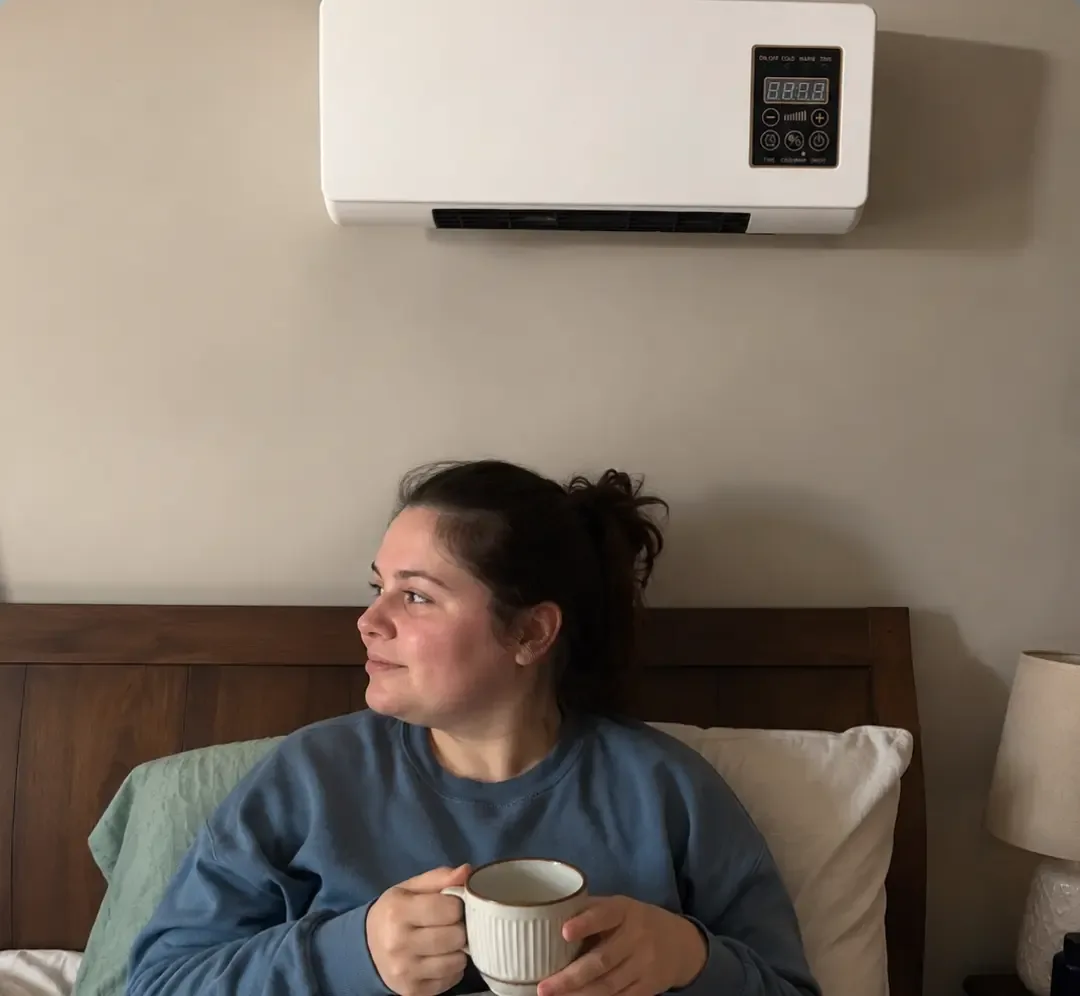
The call came in after dark. A woman outside Dayton, Ohio had gone from a normal winter bill to almost nothing, and the electric co-op's system flagged the drop as a possible problem. Her usage was down sixty percent since October. When a meter goes that quiet in a cold month, utilities send someone to make sure the customer is okay.
Two linemen knocked. Marge, a retired schoolteacher, let them in and told them to wipe their feet. Then they stopped in the hallway. The thermostat on her wall read 58. The thermometer in her kitchen read 72.
"Where's the furnace?" one of them asked. "Fifty-eight, doing nothing," she said. "This is doing all of it." She pointed at a flat white box hanging on two hooks above her kitchen table.
The linemen had come to check on a customer. They left with a question: how does a woman who lives alone in a big house cut her electricity use by sixty percent without freezing? Her answer took about ten seconds to demonstrate.
She stopped heating the house
Here is what Marge figured out in October. She lives in one room at a time. Mornings in the kitchen. Afternoons in the living room. Nights in the bedroom. The guest room, the hallway, the laundry room and the stairs to the basement were being heated all day for nobody.
"I was paying to warm rooms I walk through twice a week," she told the linemen. So she turned the furnace down to 58 and hung a heater on the wall of the room she was in.
Half off today · Free shipping · 90-day money back
A furnace heating six empty rooms is the power company's best customer
A furnace does not know you are in the kitchen. It heats every room on a schedule, pushes that heat through ductwork that leaks, and lets the warm air rise to ceilings nobody sits under. The meter spins the whole time.
For a utility, that house is the ideal customer. A woman heating one room is a problem. "That's why the co-op sent two men to my door," Marge laughs. "My meter looked like I'd moved out."
The idea is not to heat less. It is to stop heating rooms with nobody in them.
Warm in about three seconds
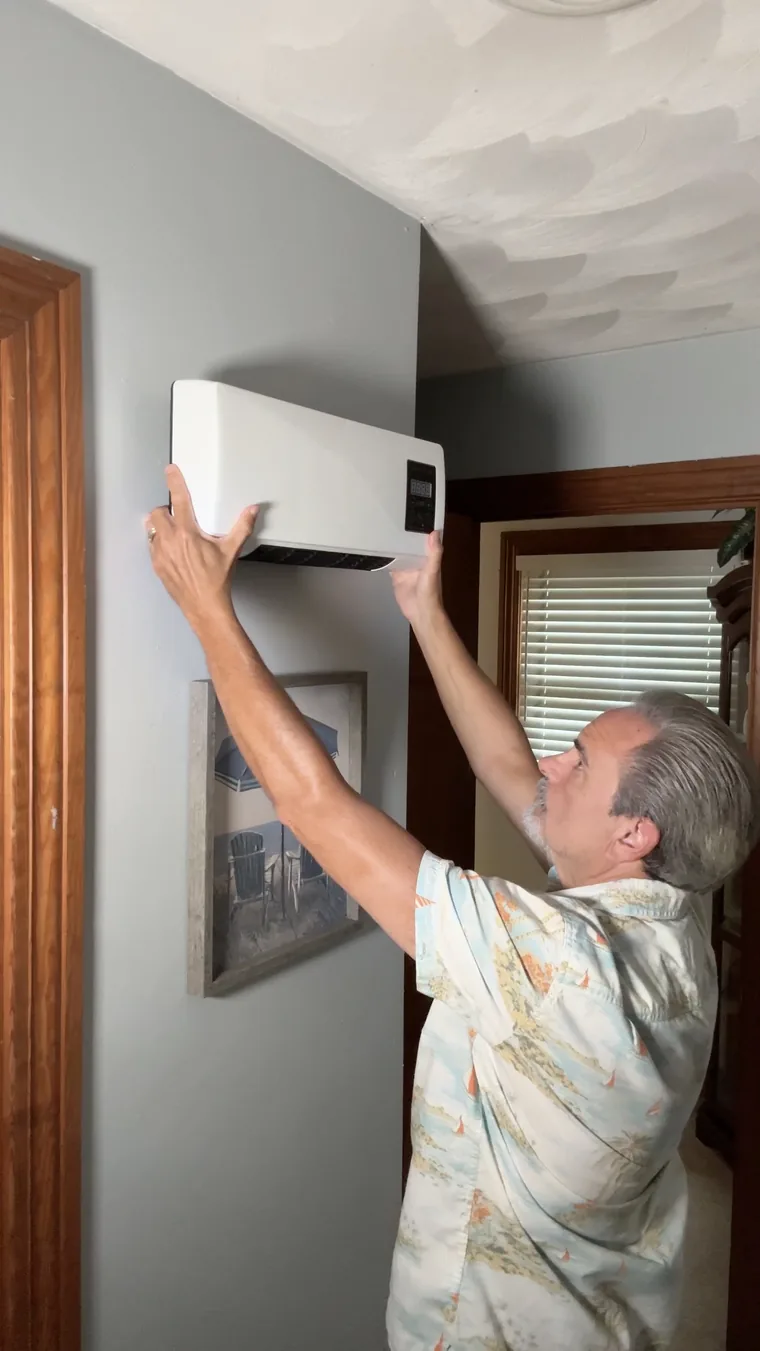
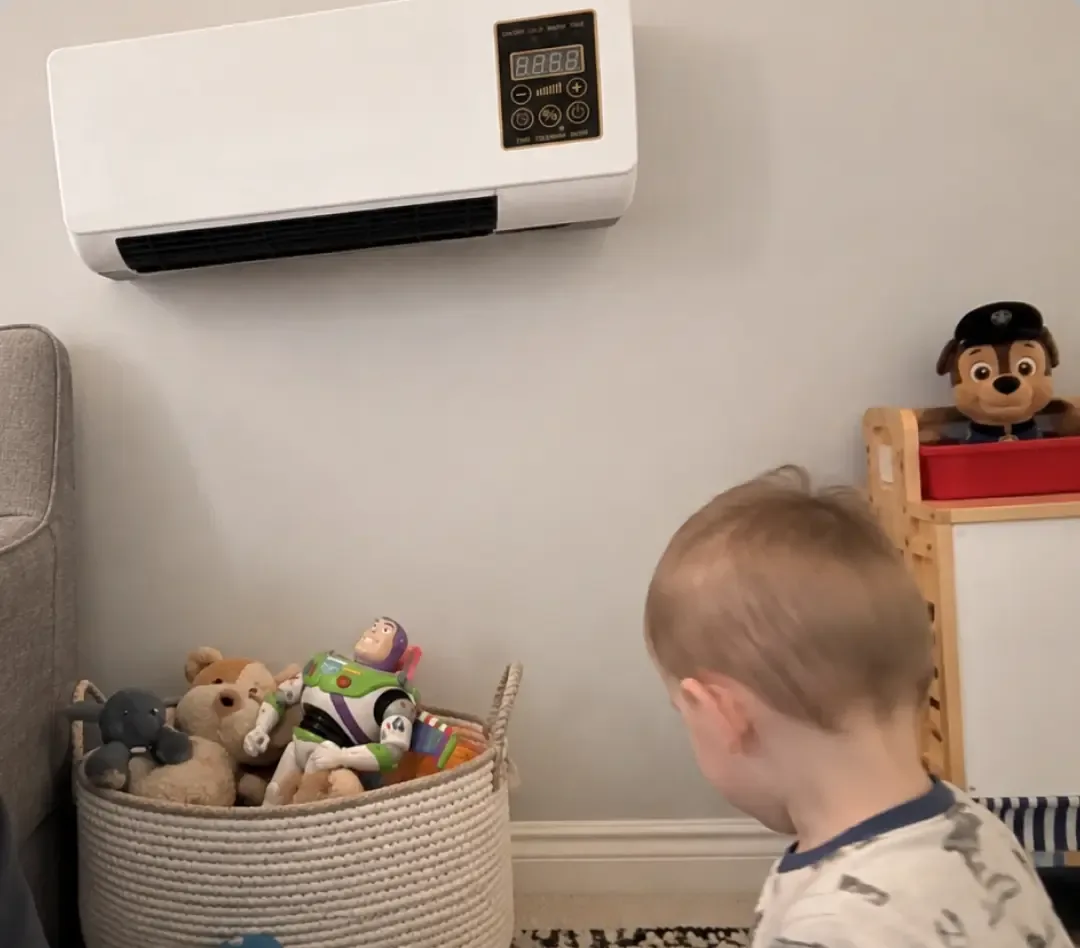
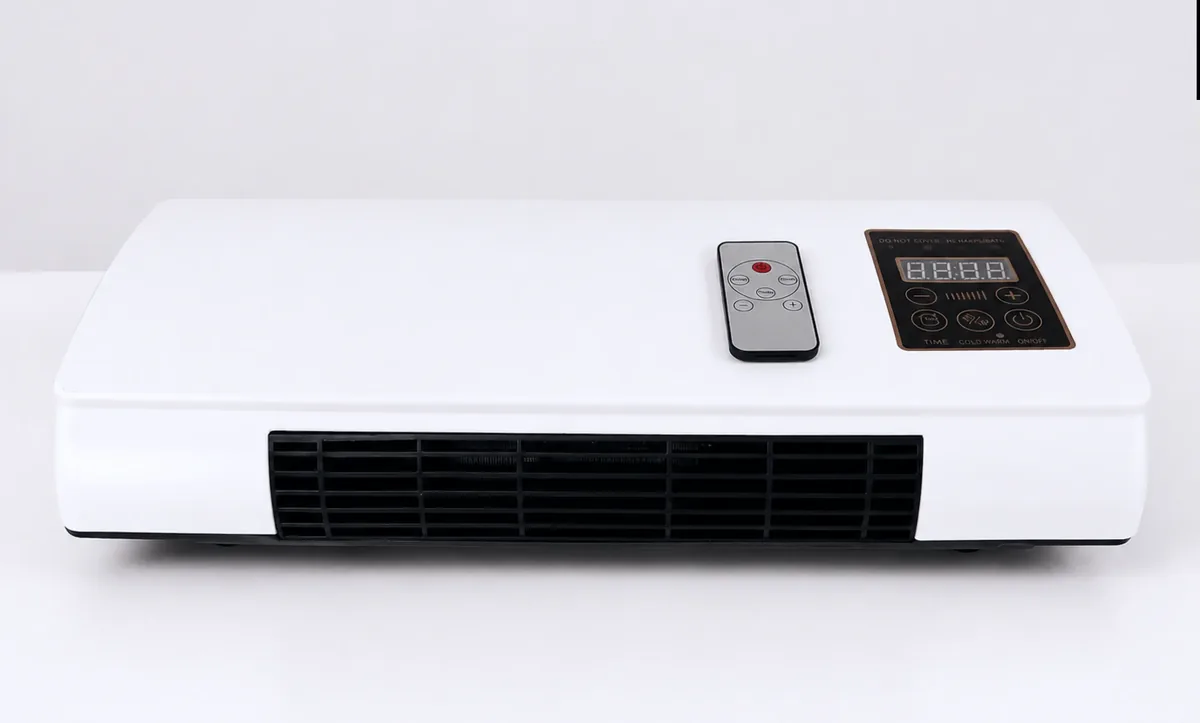
Marge did not explain anything. She walked them to the wall and showed them. The heater is a slim white unit that weighs 2.7 pounds, about the same as a laptop. It hangs on two hooks that come in the box, it plugs into any standard outlet, and it is on.
While the linemen watched, she hung a second one in her bedroom in ten seconds. Warm air started moving in about three seconds. The kitchen thermometer, which read 49 degrees when she first switched it on that morning, passed 80 in under a minute. She timed it, then ran it ten more times to see if it was a fluke. It was not.
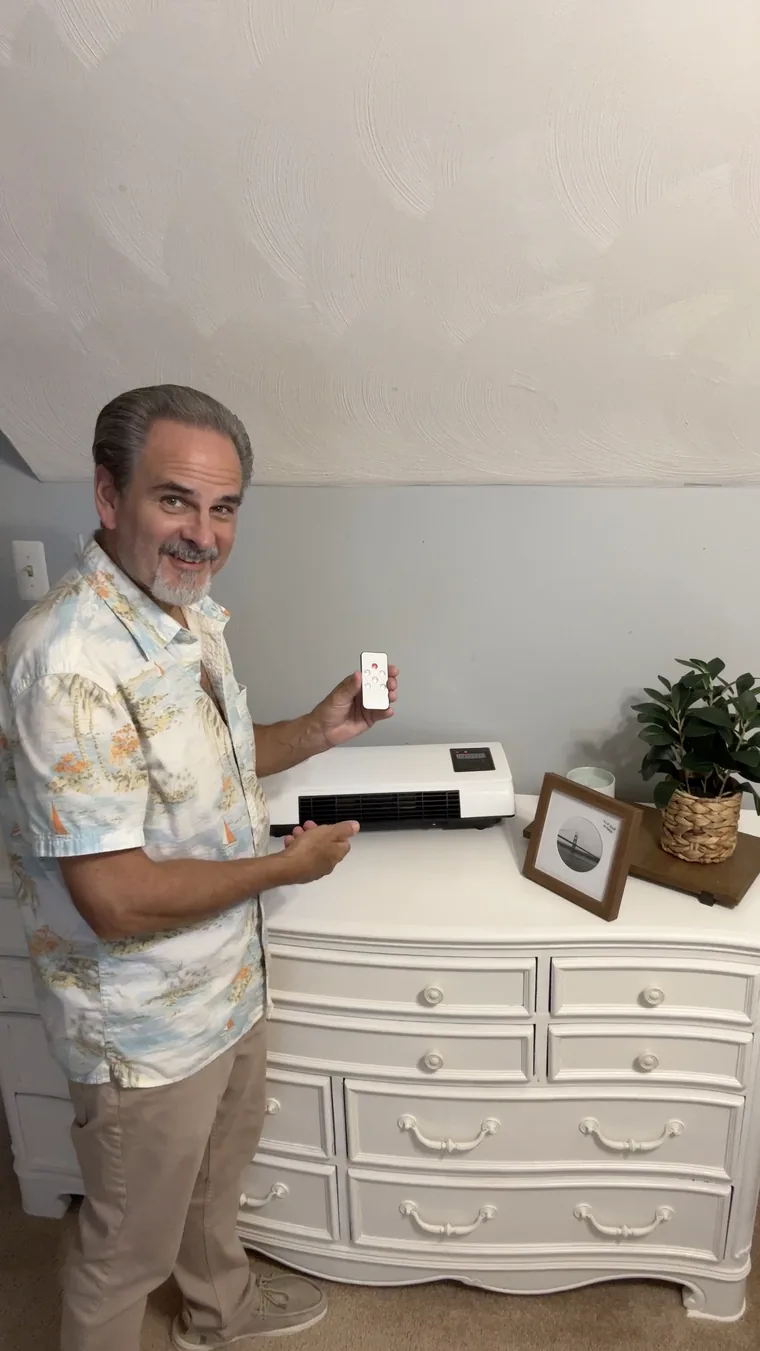
It also sits on a dresser, a nightstand or a shelf if you would rather not touch the wall. You set the temperature on the touchscreen, or from your chair with the small remote, anywhere up to 113 degrees. One unit covers a room up to 549 square feet.
Plugs into any outlet · No tools, no electrician
400 watts, not 1,500
One of the linemen said what everyone says about space heaters. "Mine trips the breaker every time the microwave runs." A typical space heater pulls 1,500 watts. This one runs on as little as 400, with a top setting of 800. "My hair dryer pulls more than that," Marge said.
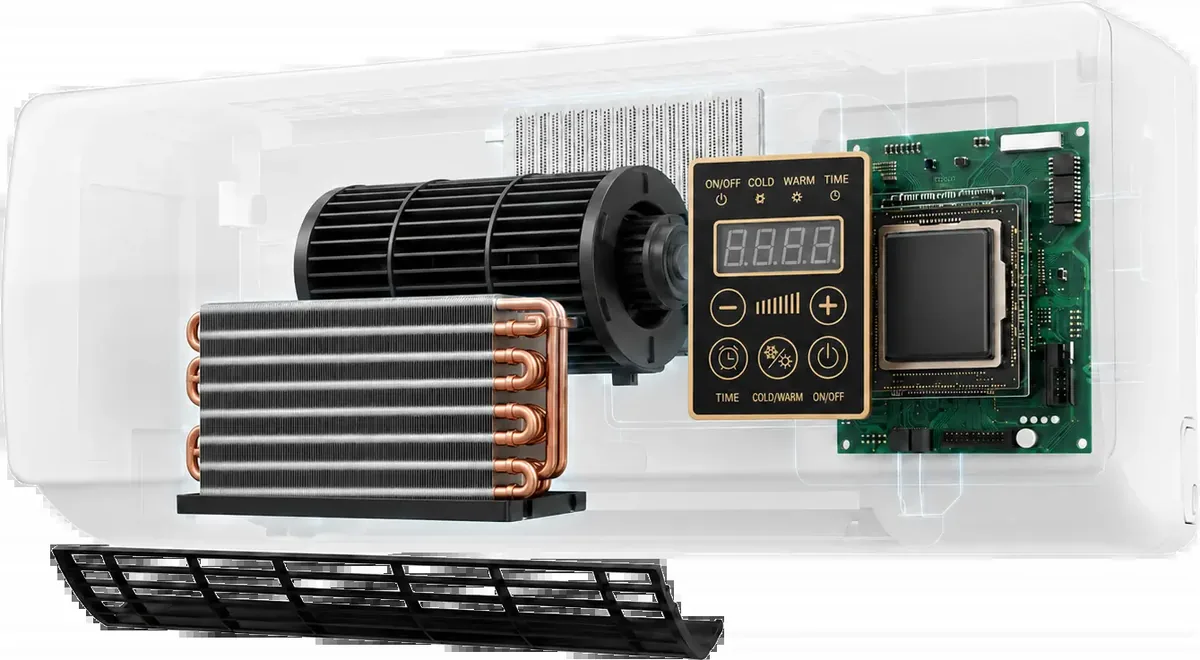
The reason is the core. Inside is a ceramic element, the same class of material electric cars use to keep their batteries warm in winter. This kind of ceramic regulates itself: the hotter it gets, the less power it pulls. A fan draws cold air from the room through the core and sends warm air back out, which is why a cold room feels warmer within seconds instead of after twenty minutes of a furnace cycling on.
Up on the wall, away from kids and pets
Floor heaters come with three problems: a cord across the rug, a hot housing at toddler height, and the chance someone knocks it over. This one hangs up and out of reach. The hot surfaces and the cord stay away from small hands and curious pets.
It is whisper quiet, so it does not wake you at night, and it shuts itself off if it ever overheats. Marge's granddaughter does her homework on the couch under it. "She can't touch it," Marge says. "I stopped worrying about it the first night."
Her sister-in-law has one for her mother, who keeps her house at 60 to save money and wears a coat in the kitchen. "Hang one in her kitchen," Marge told her. "She'll never touch the thermostat again."
90 days to try it. Not warmer? Send it back.
Why you will not find it at the hardware store
The linemen asked her the obvious question. Where did you get it, the hardware store? No. The big stores do not carry it. Cozy Cove Pro is sold only on its own website, and it keeps selling out. Marge's neighbor missed the last batch by a single day.
Right now it is half off, and the discount grows if you buy more than one. Most people with a cold bedroom and a cold living room end up taking two or three. The linemen did too. One of them ordered two on the spot and put one on his mother's address.
Cozy Cove Pro: today's price
Official site pricing. Half off while supplies last.
- Free shipping, 2-3 days from a US warehouse
- 90-day money-back guarantee
- Wall hooks and remote included
- 17,673+ five-star reviews
Stock levels are low. This batch is selling out.
Claim half off Cozy Cove Pro →Choose 1, 2 or 3 heaters at checkout
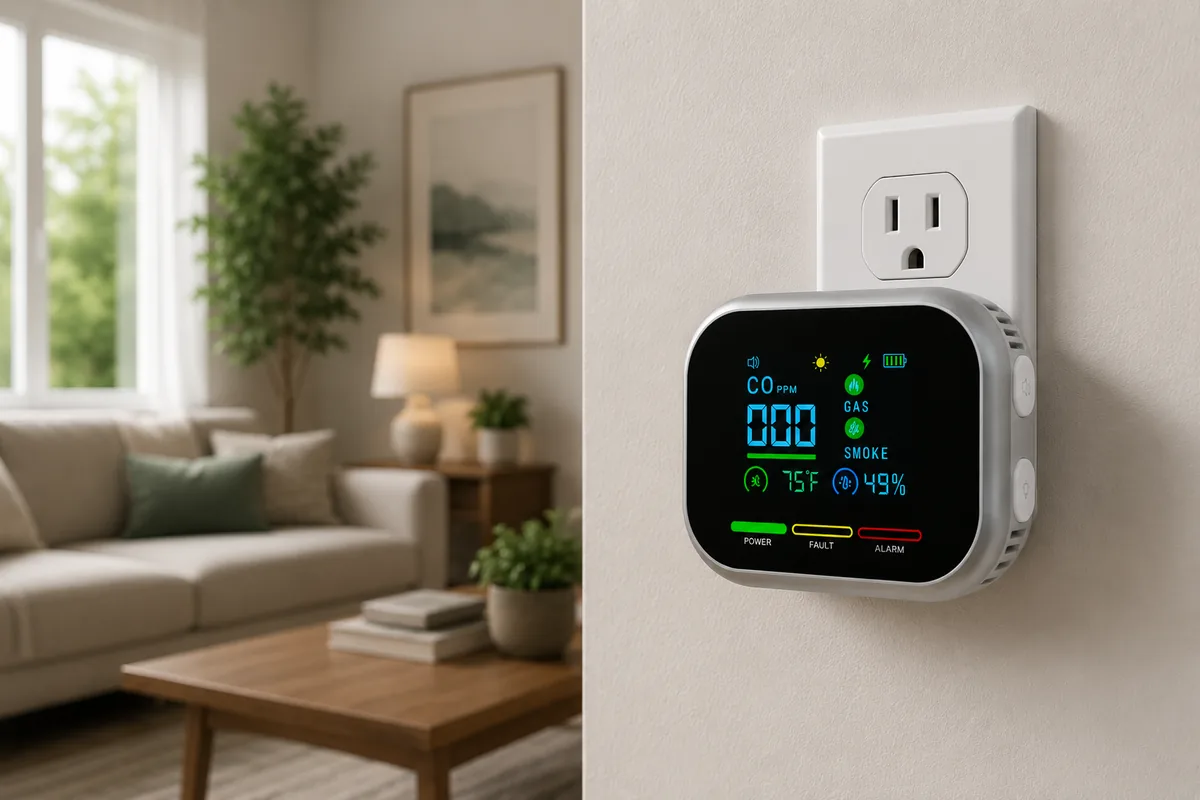
Heater running tonight? Add the detector that watches it.
CarbonOne Safe plugs into any outlet and shows carbon monoxide, gas and smoke live. Ceiling alarms wait for 70 PPM. This one alarms at 10.
See CarbonOne Safe →Get the free winter heating checklist
Ten steps that cut a heating bill and keep a house safe, from the first cold night to the last. Enter your email and it opens right here.
You are in. Here is your checklist.
The winter heating checklist
- Heat the room you are in.Drop the whole-house thermostat 3 to 5 degrees and warm the room you are using with a plug-in heater.
- Close doors to rooms nobody uses.Shut the door, but leave most vents open. Closing many vents can strain a forced-air system.
- Find the drafts.Move a hand slowly along window frames and door edges. Seal what you feel with weatherstripping, a door sweep or window film.
- Change the furnace filter.A clogged filter makes the furnace work harder. Check it monthly in winter.
- Flip your ceiling fan.Set it to clockwise on low so it pushes warm air down from the ceiling.
- Let the sun work.Open curtains on sunny windows by day, then close them at dusk to hold the heat in.
- Plug heaters into the wall.Use a wall outlet, never a power strip or a thin extension cord. If the plug or outlet feels hot, stop and have it checked.
- Give every heater clearance.Keep curtains, bedding, paper and furniture at least 3 feet away.
- Test your detectors tonight.Press the test button on every smoke and carbon monoxide alarm and replace weak batteries. Clocks go back Sunday, which is a good reminder.
- Never heat with an oven, a grill or a generator indoors.They can fill a home with carbon monoxide. Run a generator outside, far from windows.
Advertorial / sponsored content. This page is a paid advertisement, not independent news or a product review. Home Informer is not the seller or manufacturer of the products featured here. We earn a commission when you buy through links on this page, at no extra cost to you. Prices, offers and availability are set by the seller and can change.
Home · Privacy · Terms · Contact
© 2026 Home Informer